Source Sliding Silent Shower Door Hardware for Bathrooms, Offices, Hotels
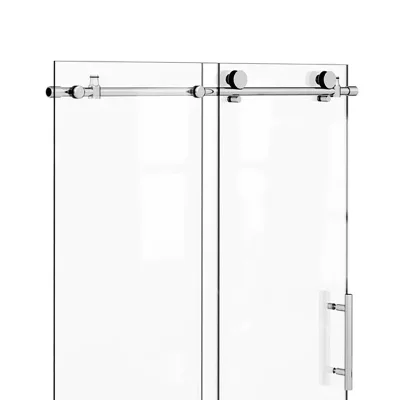
Compare 30 listings for sliding silent shower door hardware suitable for bathrooms, offices, and hotels. Buyers can evaluate materials like brass and stainless steel, glass thickness options, and customization services from Guangdong suppliers; compare the available evidence and request quotations based on your requirements.
Key considerations
Products List



Comprehensive Sourcing Guide
Sliding Silent Shower Door Hardware Sourcing Guide
Selecting the right hardware for sliding shower doors requires balancing aesthetic preferences with rigorous functional performance. Buyers must prioritize systems that ensure smooth, quiet operation while maintaining structural integrity under frequent use. The market offers diverse options ranging from brass and stainless steel to zinc alloy components, each presenting distinct advantages in durability and corrosion resistance. Understanding these material differences is essential for specifying hardware that meets both design intent and long-term reliability standards.
Procurement decisions should also account for customization capabilities and supply chain flexibility. Many manufacturers provide OEM and ODM services, allowing buyers to tailor dimensions, finishes, and packaging to specific project requirements. This flexibility is particularly valuable for large-scale commercial projects such as hotels and office buildings, where consistency and branding are critical. However, buyers must verify that customizations do not compromise the core mechanical functions or exceed reasonable lead times, ensuring that project schedules remain on track without unnecessary delays.
Product Scope and Observed Listing Signals
The current market landscape for sliding shower door hardware includes a variety of product models designed for different installation types and glass thicknesses. Listings indicate that compatible glass thicknesses typically range from 8mm to 12mm, with some specific models supporting 8, 10, and 12mm variations. It is crucial to note that glass must be toughened to ensure safety and compatibility with the hardware’s weight-bearing capacity. Buyers should verify that the selected hardware aligns with the specific glass specifications of their project to avoid installation failures or safety hazards.
Observed product attributes reveal a strong emphasis on modern and European antique styles, with finishes including polished, brushed, satin, gold, white, black, and silver options. The hardware is generally applicable to shower rooms, offices, hotels, and residential houses, indicating a broad market appeal. Some listings highlight specific features such as silent sliding mechanisms, which are highly desirable for enhancing user experience in quiet environments. Buyers should carefully review these aesthetic and functional details to ensure the hardware matches the architectural style and operational requirements of the target application.
Technical Specifications to Verify
Technical verification begins with confirming the material composition and surface treatment of the hardware. Common materials include brass, stainless steel, zinc, and zinc alloy, each offering different levels of corrosion resistance and strength. Surface treatments such as polishing and brushing not only enhance appearance but also affect maintenance requirements and longevity. Buyers should request detailed material certificates and finish specifications to ensure the hardware meets the environmental demands of the installation site, particularly in high-humidity bathroom settings where corrosion resistance is paramount.
Dimensional accuracy and installation type are equally critical technical factors. Specifications such as 90x55mm or 58mm standards, along with tube dimensions like 30x10mm, must be strictly adhered to for proper fitment. Installation types vary, with embedded installation being a common method that requires precise structural preparation. Buyers must ensure that the hardware’s dimensions align with the architectural drawings and that the installation method is feasible within the existing building structure. Misalignment in these areas can lead to significant rework costs and project delays.
Compliance and Safety Documentation
Safety compliance is non-negotiable for shower door hardware, particularly regarding glass handling and structural load. The requirement for toughened glass is a fundamental safety measure that prevents shattering into sharp shards upon impact. Buyers must ensure that all supplied hardware is compatible with certified toughened glass and that the installation guidelines clearly specify this requirement. Additionally, hardware without locks may be suitable for certain applications, but buyers should verify local building codes and safety regulations to ensure compliance with accessibility and security standards.
Quality control documentation should be requested to verify that each unit undergoes rigorous inspection before shipping. Many suppliers offer 100% inspection by quality control teams, which helps minimize the risk of defective products reaching the site. Buyers should ask for quality control reports and inspection checklists to understand the specific tests performed, such as load testing, corrosion resistance testing, and smoothness of operation. This documentation provides assurance that the hardware meets consistent quality standards and reduces the likelihood of field failures.
Cost Drivers and Commercial Terms
Cost drivers for sliding shower door hardware include material quality, surface finish complexity, and customization levels. Premium materials like brass and stainless steel typically command higher prices due to their durability and aesthetic appeal. Custom finishes and OEM specifications can also increase costs, as they require additional manufacturing steps and quality checks. Buyers should evaluate the total cost of ownership, considering not just the unit price but also the long-term maintenance and replacement costs associated with different material and finish options.
Commercial terms such as minimum order quantity (MOQ), packaging, and delivery time significantly impact procurement planning. Observed MOQs range from 5 to 500 pieces, with some suppliers requiring a minimum of 50 pieces. Packaging methods vary, including plastic protective film, foam bags, boxes, and pallets, which affect shipping costs and product protection. Delivery times typically range from 15 to 30 days, so buyers must factor this into their project schedules. Understanding these terms helps in negotiating favorable conditions and avoiding unexpected expenses.
Supplier Qualification and Quality Control
Supplier qualification involves assessing their manufacturing capabilities, quality management systems, and track record. Buyers should verify that suppliers have experience in producing hardware for the specified applications, such as shower rooms and hotels. Requesting references or case studies can provide insight into the supplier’s reliability and ability to meet project deadlines. Additionally, suppliers should demonstrate a commitment to continuous improvement and customer satisfaction, which are indicators of a stable and trustworthy partnership.
Quality control processes should be transparent and well-documented. Buyers should inquire about the supplier’s internal quality control procedures, including incoming material inspection, in-process checks, and final product testing. Suppliers that offer 100% inspection before shipping demonstrate a high level of quality assurance. Buyers should also consider the supplier’s ability to handle defects and provide after-sales support, as this ensures that any issues are resolved promptly without disrupting the project timeline.
Long-Term Procurement Checks
Long-term procurement success depends on establishing a robust supply chain relationship that prioritizes consistency and reliability. Buyers should conduct periodic audits of the supplier’s production facilities and quality control processes to ensure ongoing compliance with agreed standards. Regular communication and feedback loops help identify potential issues early and foster a collaborative environment. This proactive approach minimizes the risk of supply disruptions and ensures that the hardware continues to meet the project’s quality and performance requirements.
Sustainability and environmental considerations are increasingly important in long-term procurement strategies. Buyers should inquire about the supplier’s environmental policies, including waste management, energy usage, and material sourcing practices. Choosing suppliers that adhere to sustainable practices not only reduces environmental impact but also enhances brand reputation. Additionally, buyers should monitor market trends and technological advancements in hardware design to ensure that their procurement strategy remains competitive and aligned with evolving industry standards.
FAQs
What glass thickness is supported by these sliding silent shower door hardware systems?
These systems support glass thicknesses ranging from 8mm to 12mm. The hardware is designed to accommodate standard tempered glass panels, ensuring stability and safety. Users must ensure the glass is toughened before installation to meet safety standards and prevent breakage during daily use in shower environments.
Can the sliding silent shower door hardware be customized for specific projects?
Yes, customization is available for these hardware systems. Manufacturers offer OEM and ODM services to tailor products to specific design requirements. Buyers can choose from various styles, finishes, and dimensions, such as 90x55mm or 58mm standards, to match their architectural needs and aesthetic preferences.
Which materials are used to construct the sliding silent shower door hardware?
The hardware is primarily constructed from brass, stainless steel, zinc, and zinc alloy. These materials provide durability and resistance to corrosion in humid environments. Some components may also feature steel construction with brushed or polished surface treatments to enhance longevity and visual appeal in modern bathroom settings.
How is the quality of the sliding silent shower door hardware ensured before shipping?
Quality is ensured through a 100% inspection process by QC teams before shipping. Each unit undergoes rigorous checks to verify functionality and finish. This strict quality control measure helps prevent defects and ensures that the sliding mechanisms operate silently and smoothly upon installation by the end user.
What is the typical lead time for ordering sliding silent shower door hardware?
The typical delivery time is 15 to 30 days after order confirmation. This timeframe allows for production and quality assurance processes. Buyers should plan their procurement schedules accordingly to ensure timely installation, especially for large orders or customized specifications that may require additional manufacturing time.
What packaging methods are used for the sliding silent shower door hardware?
Packaging includes plastic protective film, foam bags, boxes, and cartons to prevent damage. Some items are packed one piece per box in strong cartons or on pallets. This robust packaging ensures that the hardware arrives in perfect condition, protecting delicate finishes and components during international shipping and handling.